Learning from field experience, not just theory
Since 2019, we've been teaching environmental monitoring through structured seminars that focus on practical analysis methods and field competencies. Our approach connects learners across the country with instructors who understand regional monitoring challenges and measurement protocols used in actual research contexts.
Why we started this platform
Environmental monitoring education needed a different model. Most programs taught concepts without addressing the practical challenges of field data collection, equipment calibration, or regional environmental variability. Students learned about monitoring in abstract terms but struggled when they needed to implement actual measurement protocols or interpret field data with statistical confidence.
We built this platform to bridge that gap. Our seminars walk through real monitoring scenarios, from selecting appropriate sampling methods for different ecosystems to handling equipment limitations and data quality issues that arise during fieldwork. Participants work with case studies drawn from actual monitoring projects, learning to navigate the messy reality of environmental data collection rather than idealized textbook examples.
The national reach matters because environmental conditions vary significantly across regions. A monitoring approach effective in tropical wetlands requires adjustment for arid zones or montane ecosystems. Our instructors bring experience from different geographical contexts, and our discussion format lets participants compare regional challenges and share practical solutions they've encountered in their local environments.
What guides our teaching approach
These principles shape how we structure seminars, select topics, and support participants through the learning process.
Field-tested methods
We prioritize monitoring techniques that work in actual field conditions. Our instructors have used these methods in research projects and understand the practical constraints of equipment, budget, and environmental variability that affect real-world data collection.
Honest about limitations
Every monitoring method has trade-offs. We discuss what different approaches can and cannot measure, where measurement error typically originates, and when certain techniques are inappropriate for specific environmental contexts or research questions.
Regional knowledge sharing
Environmental monitoring faces different challenges in different locations. Our seminar discussions let participants compare regional approaches, share equipment adaptations they've developed, and learn from others working in similar or contrasting ecosystems.
Data quality focus
Good monitoring depends on understanding data reliability. We cover quality control procedures, statistical approaches for assessing measurement uncertainty, and documentation practices that let others evaluate the validity of monitoring results.
Structured progression
Our seminars build systematically from fundamental concepts to complex protocols. Each session assumes specific prerequisite knowledge and prepares participants for subsequent topics, creating a coherent learning path rather than disconnected workshops.
Accessible expertise
Remote learning removes geographical barriers. Participants from smaller communities or remote regions access the same instruction and peer discussion as those in major research centers, democratizing access to specialized monitoring knowledge.
Who coordinates these programs
Our team members bring field experience and understand the practical challenges of environmental monitoring. They've worked on research projects, dealt with equipment failures in remote locations, and know what information learners actually need to implement monitoring protocols effectively.
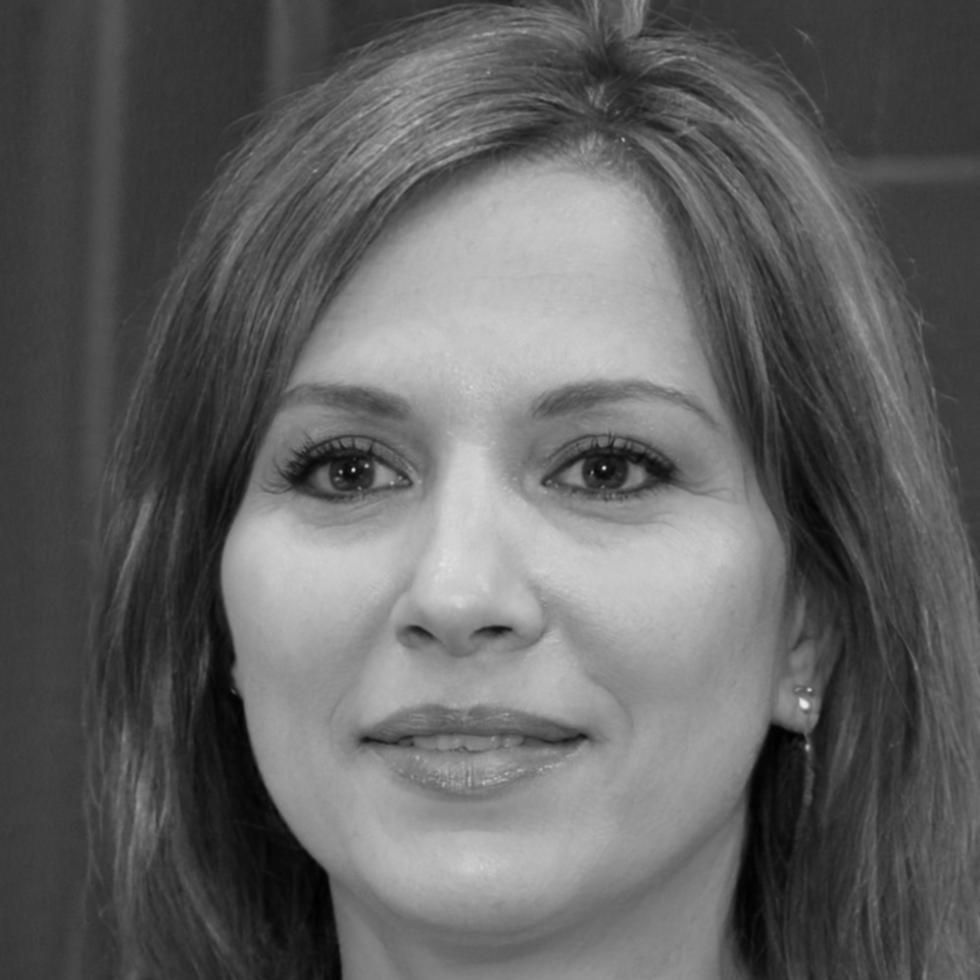
Elina Valtonen
Environmental Science Coordinator
Elina structures our seminar content and works with instructors to develop case studies based on actual monitoring projects. She spent six years collecting field data across different ecosystems before transitioning to education, and she uses that experience to identify which topics participants struggle with most and where additional practical examples help clarify complex protocols.
How we've developed since 2019
We started with basic water quality monitoring seminars. Participant feedback showed us which topics needed more depth and where our explanations assumed knowledge people didn't have. We expanded gradually, adding seminars on soil monitoring, atmospheric measurements, and biological indicator species as we found instructors with relevant field experience and developed case studies that illustrated practical application.
The discussion format evolved from participant requests. Early seminars were lecture-heavy, but learners wanted more time to ask questions about specific situations they encountered. We restructured to include dedicated discussion periods where participants share monitoring challenges and collectively work through solutions, which often generates more practical insight than prepared lecture material.
Regional adaptation came from recognizing that monitoring approaches need adjustment for local conditions. We now encourage participants to describe their regional environmental characteristics during discussions and explicitly address how standard protocols might require modification for different climates, ecosystems, or resource availability. This makes the content more immediately applicable rather than forcing learners to extrapolate from generalized examples.